Every single day, thousands of industrial storage tanks accumulate thick sludge and dangerous waste. Did you know that regular industrial tank cleaning extends the operational life of an industrial storage tank by up to fifteen years? Neglecting this vital task leads to severe product contamination, costly equipment damage, and unexpected plant shutdowns.
Why Regular Industrial Tank Cleaning is Essential for Your Operations
Managing large fluid storage systems requires a strict maintenance schedule. Over time, hazardous sediments settle at the bottom of containers. This heavy buildup reduces total storage space and ruins fluid quality. Professional industrial tank cleaning removes these stubborn layers before they can harden into solid blocks.
Without routine care, stored chemicals react with moisture and metal walls. This reaction leads to deep rust holes and weak structures. Consistent cleaning cycles not only prevent your company from leading to costly emergencies but also help keep your everyday work routine uninterrupted.
Core Advantages of Keeping Storage Tanks Spotless
Keeping storage units clean is one of the ways to protect your profits. It improves product purity across every batch you make. Here are the core benefits your facility gains:
- Higher Product Quality: Removes leftover waste between different product batches.
- Accurate Volume Capacity: Clears thick floor sludge to restore full storage space.
- Longer Equipment Life: Prevents rust and localized damage on interior metal walls.
- Enhance Safety Measures: Minimize the risk of exposure to hazardous gases.
- Easier Inspections: Allows technical teams to spot structural cracks or leaks early.
Efficient Methods Used in Storage Tank Cleaning
Modern industrial facilities utilize a mix of manual work and automated systems to clear out heavy residue. The method you choose really depends on how big your container is and what you’re storing in it.
- Automated CIP Systems: High-pressure nozzles, no entry
- Manual Scraping: Crew entry, heavy physical tools
- Chemical Circulation: Specialized fluid wash dissolves
Automated Clean-in-Place (CIP) Systems
Automated CIP systems use high-pressure rotating nozzles fixed inside the container. These nozzles spray water and detergents at high speeds to blast away sticky residues.
Manual Scrubbing and Hydro-blasting
For stubborn, hardened scales, trained personnel must physically enter the vessel. The crew utilizes high-powered pressure washers and manual scrapers to remove thick sludge. This approach requires strict safety permits, fresh air lines, and constant gas monitoring.
The Role of Advanced Tank Cleaning Chemicals
Standard water pressure cannot always dissolve oily films or sticky chemical bonds. There are chemical formulas needed at certain points in the process.
Selecting the Right Cleaning Solutions
Using targeted tank cleaning chemicals allows facilities to break down tough oil molecules, hard scale, and chemical deposits. In simple terms, these chemicals detach the residue from the tank surface. This chemical action makes the rinsing phase much faster and far more effective.
Maintaining Heavy Industrial Storage Tank Cleaning Standards
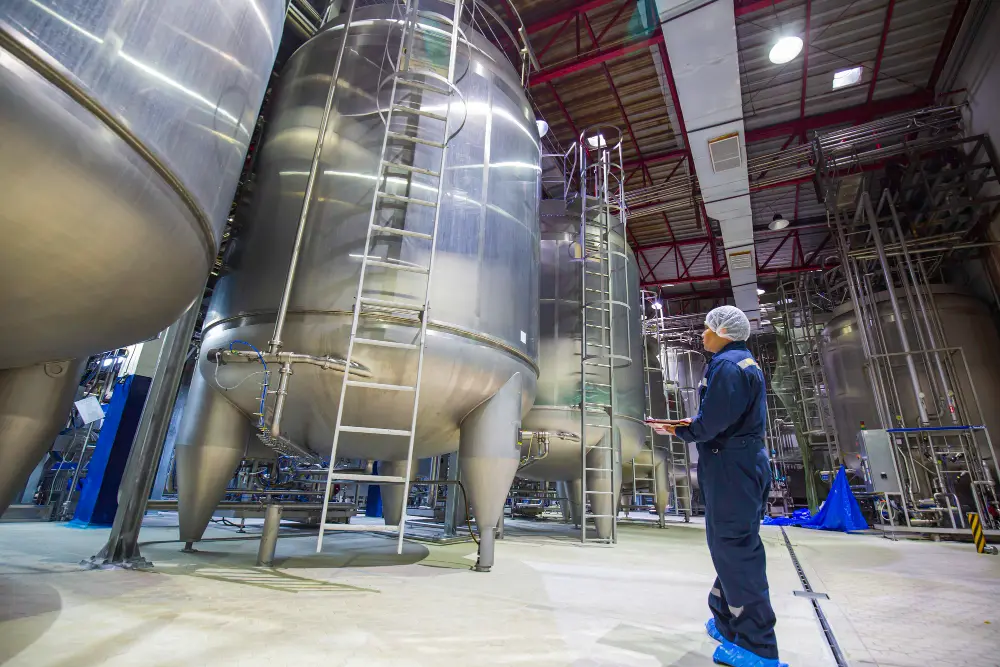
Large containment units hold thousands of gallons of raw materials or finished products. Managing these massive systems demands specialized heavy-duty equipment and structured workflows.
Managing Large Sludge Volumes
Large-scale storage tank cleaning requires heavy-duty pumps to extract thick slurry from the bottom of the tank. The waste that is taken out goes to trucks that process it for disposal. Keeping the floor clean prevents the fast formation of permanent crusts that ruin pump systems.
Enhancing Visual Inspection Processes
Once the heavy sludge is gone, inspectors can easily view the bare metal sheets. They check the weld lines for tiny fractures and look for signs of structural stress. This step helps avoid catastrophic tank failures and harmful chemical spills into the environment.
Sourcing Reliable Maintenance Supplies in the Middle East
Operating industrial plants in hot places is tough on the people who fix things. Finding the right industrial products locally keeps your projects moving forward on time.
Finding a Reliable Tank Cleaner Supplier
Sourcing your maintenance products from an experienced tank cleaner supplier in UAE ensures you get high-quality mixtures that handle extreme regional climates. Local suppliers understand regional safety regulations and provide immediate technical support for heavy industrial applications.
Best Safety Practices for Confined Space Maintenance
An industrial tank has tight entry points and poor air flow. Every facility must enforce a strict safety protocol before anyone steps inside a vessel.
- Atmospheric Testing: Always check oxygen levels and test for toxic gases before crew entry.
- Safety Harnesses: Ensure all entry personnel wear full-body harnesses with external rescue lines.
- Continuous Ventilation: Run high-capacity air blowers to keep fresh air circulating constantly.
- Standby Attendant: Station a trained safety guard outside the hatch to monitor the workers inside.
Conclusion
Developing and implementing a thorough maintenance plan will help your production lines operate efficiently and also safeguard your most valuable equipment assets.
Regular Industrial Tank Cleaning is not only a method of extracting residues that are hard to remove, but also a measure of guaranteeing the safety of the work environment for your operations.
If you are looking for first-class chemical solutions that provide excellent performance, you can rely completely on the range of industrial products offered by Innoveda Chemicals.
FAQs
1) What is the main reason for Industrial Tank Cleaning?
The main goal of industrial tank cleaning is to safely remove hazardous sludge, prevent internal metal corrosion, and eliminate product cross-contamination to maintain high manufacturing standards.
2) How do specialized tank cleaning chemicals improve the washing process?
Using targeted tank cleaning chemicals breaks down tough oil bonds and hard mineral scale. This chemical action makes residues easy to rinse away without damaging the container walls.
3) What would be the best time intervals for facility managers to plan storage tank cleaning?
Most plants schedule professional tank cleaning every one to three years. You have to clean them right away when you switch products or when sediment builds up and takes up too much space.
4) Why should you partner with a certified tank cleaner supplier?
A certified tank cleaner supplier provides heavy-duty chemical formulations tailored for hot climates, ensuring fast delivery and compliance with regional environmental safety laws.
5) Can automated systems completely replace manual tank scrubbing methods?
Automated systems handle most light to medium washing tasks efficiently. However, heavy, solidified bottom sludge often requires manual hydro-blasting by a trained confined-space crew.