
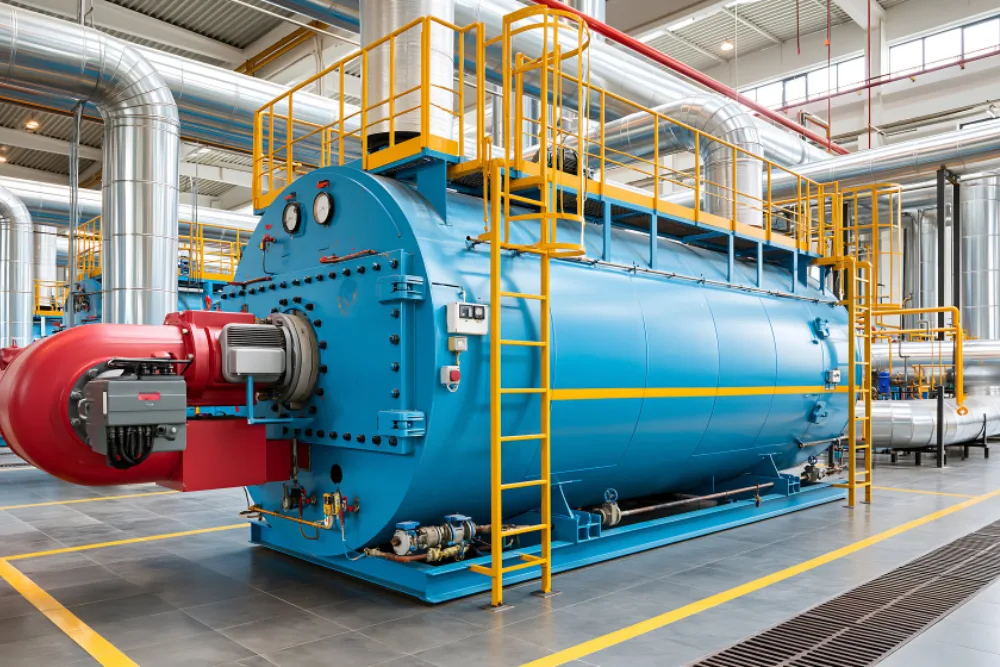
Why does a boiler get clogged with black deposits so quickly, even when it looks like it is running normally? The short answer: a boiler filled with soot is almost always the result of incomplete combustion. That usually comes from a wrong air-to-fuel mix, a dirty burner, poor-quality fuel, or skipped servicing. Most of these cases are easy to stop early.
At Innoveda Chemicals, we supply industrial and cleaning chemicals to facilities across the UAE, and this guide explains what goes wrong and how to stop it.
What Is Soot and Why Does It Matter in a Boiler?
Soot is fine black carbon that forms when fuel does not burn completely. It sticks to the fire tubes, heat exchanger surfaces, and flue passages.
Even a thin layer causes trouble. Soot acts like insulation, so heat cannot pass into the water efficiently. Your boiler then burns more fuel to produce the same output. Heavy deposits can also restrict airflow, raise flue gas temperatures, and, in serious cases, create a fire risk inside the boiler.
What Are the Main Causes of Soot Buildup in Boilers?
Most soot problems trace back to a handful of causes. Here are the most common ones.
| Cause | What happens | Typical result |
| Incorrect air-to-fuel ratio | Too little air means fuel cannot burn fully | Black smoke, heavy deposits |
| Dirty or worn burner | Poor flame shape and spray pattern | Uneven combustion |
| Poor-quality fuel | Heavy or contaminated fuel leaves more residue | Faster soot formation |
| Clogged air filters or vents | Restricted air supply | Oxygen-starved flame |
| Overloaded or short-cycling boiler | Frequent starts and stops, or running beyond design load | Incomplete burn cycles |
| Skipped maintenance | Deposits keep accumulating | Falling efficiency |
Air Supply Problems
Combustion needs the right amount of oxygen. If a boiler room is poorly ventilated or intake filters are blocked, the flame starves for air and produces carbon instead of clean heat.
Burner and Fuel Issues
Worn nozzles, misaligned burners, and contaminated fuel all disturb the flame. Heavier fuels in particular tend to leave more residue, so fuel quality and storage matter more than many operators expect.
Why Soot Is a Bigger Problem in the UAE
The causes above apply everywhere, but local conditions can make them worse.
- Dust and sand: Fine desert dust can clog air filters and burner intakes faster than in cooler, cleaner climates.
- High temperatures: Hot air is less dense and carries less oxygen, which can throw off the air-to-fuel balance if the burner is not tuned for it.
- Humidity in coastal areas: Moisture can contribute to corrosion and sticky deposits on boiler surfaces.
- Heavy duty cycles: Hotels, hospitals, laundries, food plants, and industrial sites often run boilers for long hours with little downtime for servicing.
None of this means soot is unavoidable. It simply means routine checks matter even more here.
Warning Signs of a Boiler Filled with Soot
Catching the problem early saves money. Watch for these signals:
- Black smoke or dark staining around the flue or burner area
- A sudden rise in fuel consumption with no change in demand
- Higher flue gas temperatures than usual
- A yellow, lazy flame instead of a steady blue or clean orange one
- A smell of burning or fumes near the boiler room
- Frequent lockouts or shutdowns
Incomplete combustion can also produce carbon monoxide, which is odorless and dangerous. If you see several of these signs, shut down safely and call a qualified technician.
How to Prevent Soot Buildup in Boilers: A Practical Checklist
Prevention is cheaper than cleaning, and most of it comes down to routine. The table below shows a simple schedule you can adapt to your site.
| Task | Suggested frequency |
| Visual inspection of flame and flue | Daily or every shift |
| Clean or replace air filters | Monthly (more often in dusty areas) |
| Check fuel quality and storage | Regularly, and with every new delivery |
| Combustion analysis and burner tuning | At least annually, or as the manufacturer advises |
| Full cleaning of fire tubes and heat surfaces | As needed, based on inspection |
A few habits make the biggest difference:
- Tune the burner regularly. A combustion analysis shows whether your air-to-fuel ratio is correct.
- Use good-quality fuel. Cheap, contaminated fuel often costs more in cleaning and lost efficiency.
- Keep the boiler room ventilated. Make sure air intakes are never blocked.
- Follow the manufacturer’s service schedule. Keep written records so you can spot trends early.
- Treat feedwater properly. Clean water-side surfaces help the boiler transfer heat evenly.
For standards and best practices on heating system efficiency, ASHRAE is a widely respected reference that can help you set up your maintenance routine.
How to Clean a Boiler Filled with Soot Safely
If soot has already built up, cleaning restores heat transfer and efficiency. Always follow these safety basics:
- Shut the boiler down and let it cool completely before opening any access points.
- Isolate fuel and power supplies.
- Wear proper protective equipment, including gloves, eye protection, and a respirator.
- Follow the boiler manufacturer’s instructions, and use trained technicians for internal cleaning.
Mechanical brushing is the usual first step. Some facilities also use chemical cleaners, and the right product depends on your boiler type, fuel, and deposit. If you are looking for a reliable soot remover powder supplier in UAE, Innoveda Chemicals can help you choose suitable products, and you can see our industrial cleaning range here. Please contact our team with your boiler details before ordering, so the product matches your application.
Conclusion
A boiler filled with soot is a warning sign, not a mystery. In the UAE, dust, heat, and long operating hours add extra pressure, but the core causes remain the same: poor combustion, bad fuel, blocked air, and missed maintenance. Fix those, and you protect efficiency, safety, and your budget.
Start with a combustion check, keep your filters clean, and schedule regular cleaning. If you need guidance on cleaning chemicals for your site, Innoveda Chemicals is ready to help.
Frequently Asked Questions
1. What causes soot in a boiler?
Soot forms when fuel burns incompletely. Common reasons include too little air, a dirty burner, poor-quality fuel, blocked filters, and irregular maintenance.
2. Is a boiler filled with soot dangerous?
Yes, it can be. Soot lowers efficiency, can restrict flue gas flow, and may create a fire risk. Incomplete combustion can also release carbon monoxide, so it should never be ignored.
3. How can I prevent soot buildup in boilers?
Tune the burner at least once a year, use clean fuel, keep air intakes and filters clear, and follow a regular inspection and cleaning schedule.
4. How often should a boiler be cleaned of soot?
It depends on the fuel, load, and operating hours. Boilers running on heavier fuels or in dusty environments may need cleaning more often. Your inspection results and the manufacturer’s guidelines should set the schedule.
5. Where can I find a soot remover powder supplier in UAE?
You can contact Innoveda Chemicals in Dubai. Share your boiler type and fuel, and the team can advise on suitable cleaning chemicals.


