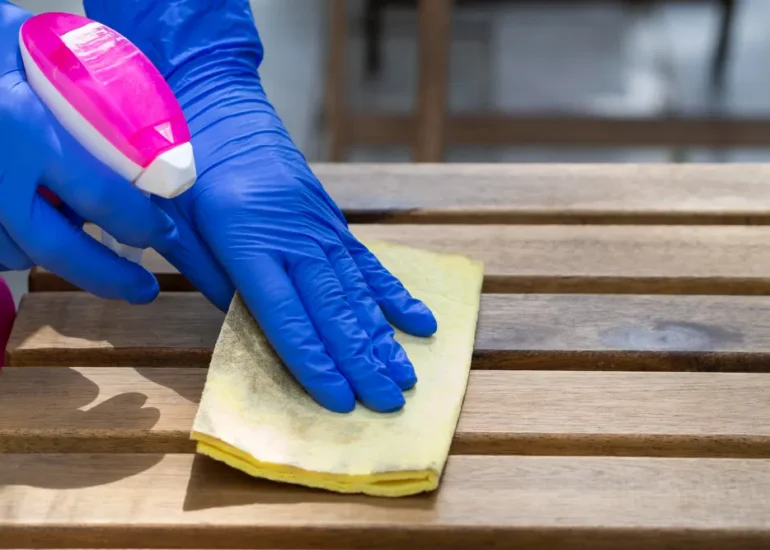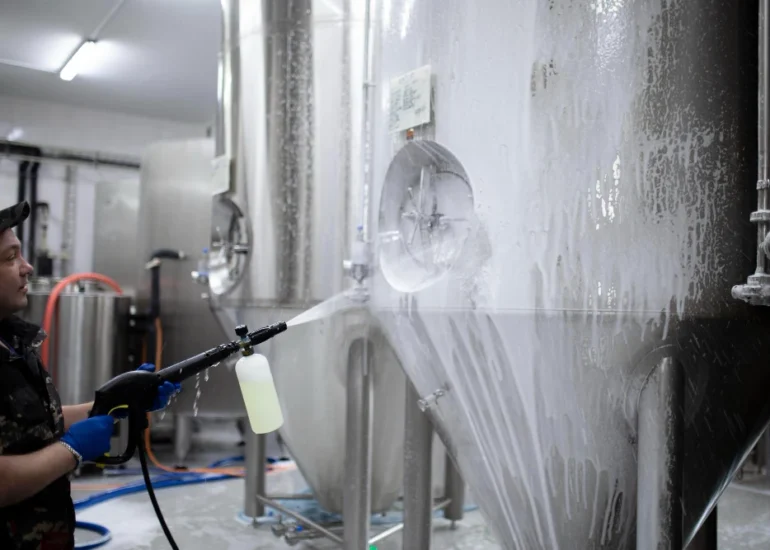
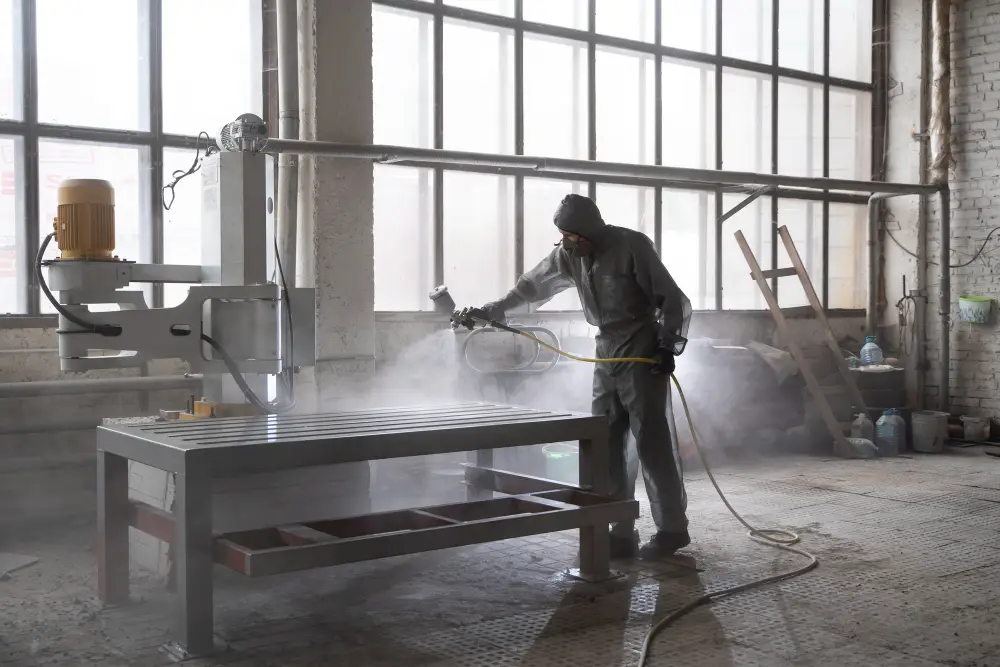
Metal surfaces rarely stay bright on their own. Railings, trims, equipment housings and fittings gradually dull as dirt, deposits and oxidation build up. A metal brightener is one of several products designed to deal with that, but it is not the right answer for every surface or every kind of stain.
This guide explains what these products do, how they differ from other metal cleaning products, what to consider when choosing one, and what to check when sourcing these products in the UAE.
What Is a Metal Brightener?
A brightener is a cleaning product formulated to remove surface films, oxides, discoloration or deposits so that the metal underneath looks cleaner and brighter. Formulations vary widely between manufacturers. Some are strong acid-based products, particularly those designed for aluminium, while others are milder and intended for specific metals or finishes.
Because formulations differ so much, the only reliable guide to what a particular product does, and which metals it suits, is its product documentation.
Brighteners vs Other Metal Cleaning Products
It helps to keep these product types separate, as they are not interchangeable:
| Product type | Main purpose |
| General-purpose cleaner or degreaser | Removes everyday dirt, oil and grease |
| Brightener | Targets oxides, discoloration and surface films to restore appearance |
| Metal polish | Uses fine abrasives or compounds to smooth and shine a surface |
| Rust remover | Treats rust on iron and steel specifically |
Soaps and degreasers can lift oil and grime, but they generally have little effect on oxides and discoloration. That is where a brightener may be needed instead.
Why Metal Surfaces Lose Their Appearance
Several things can dull a metal surface over time:
- Oxidation and tarnish: Many metals react with air and moisture, forming a dull or discoloured surface layer.
- Deposits: Dust, grime and mineral deposits from water can build up, especially on outdoor or frequently washed surfaces.
- Environmental exposure: Dust, humidity, salt in coastal air and pollutants can all affect how quickly a surface changes. Conditions vary from one site to another, even within the same city.
- Wear and handling: Fingerprints, oils and abrasion leave marks on frequently touched surfaces.
Different Metals Need Different Care
Aluminium, stainless steel, brass, copper and galvanised steel all behave differently. A product that works well on one metal can damage another. Coatings and finishes matter too: anodised, lacquered, painted or plated surfaces can be harmed by chemicals meant for bare metal.
Industrial equipment, commercial fixtures and residential fittings also differ in how they are used and cleaned, so the right product depends on both the material and the application.
How to Choose the Best Metal Cleaner for the Job
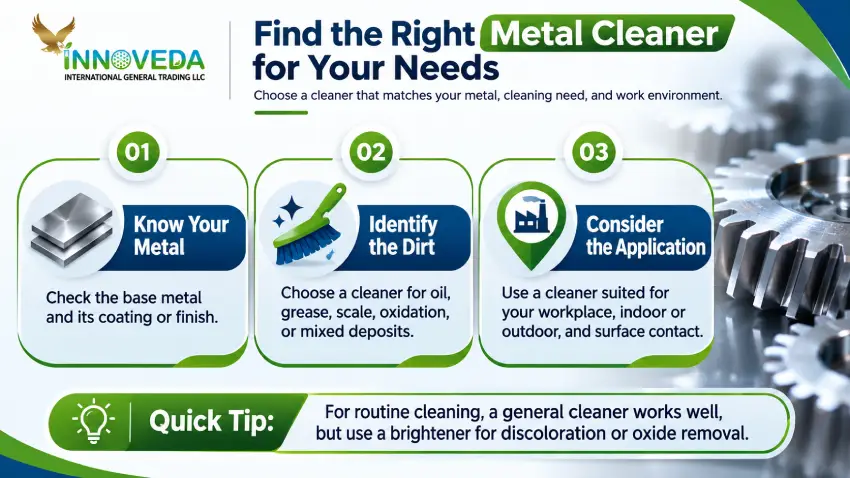
The best metal cleaner is the one suited to your specific metal, finish and type of soiling, not the strongest product on the shelf. Start by answering three questions:
- What is the metal? Identify the base metal and any coating or finish.
- What needs removing? Oil and grime, mineral deposits, oxidation or a mix.
- Where is it used? Indoor or outdoor, industrial or domestic, and whether the surface contacts food or people.
If the surface only needs routine cleaning, a gentler general cleaner may be enough. A brightener is more appropriate when discoloration or oxides are the problem and the product is confirmed as suitable for that metal.
Comparing Metal Surface Cleaning Chemicals
When comparing metal surface cleaning chemicals, look at:
- Intended metals and finishes listed by the manufacturer
- Application method, such as spray, wipe or immersion, and any required dilution
- Rinsing requirements after use
- Safety information, including the hazards listed on the safety data sheet
- Compatibility with nearby materials, such as rubber seals, glass or painted areas
Always test the product on a small, hidden area first to check for discoloration or etching before treating the whole surface.
Safe Handling and Common Mistakes
Some metal cleaning chemicals, especially strong acid-based brighteners, can be highly corrosive. They can damage metal if not carefully controlled and can harm skin. Follow the manufacturer’s instructions and the safety data sheet for handling, protective equipment, ventilation and storage.
Common mistakes to avoid include:
- Using one product on every metal. A brightener suitable for one metal may etch or stain another.
- Ignoring coatings. Chemicals meant for bare metal can strip or damage protective finishes.
- Skipping the patch test. A small test area can prevent costly damage.
- Leaving product on too long. Follow the stated contact time rather than guessing.
- Mixing chemicals. Never combine different cleaning products unless the manufacturer says it is safe.
- Forgetting to rinse. Residue left behind can affect the surface if the product requires rinsing.
Sourcing Metal Brightening Products in the UAE
Whether you are buying for a workshop, a facility or industrial equipment, check these points before you order:
- A clear product description stating the intended metals and applications
- A safety data sheet and, where available, a technical data sheet
- Instructions for use, including dilution, contact time and rinsing
- Packaging suitable for your quantity and storage conditions
- Access to technical advice if you are unsure about compatibility
If you are looking for a metal brite supplier in uae, review the product information and safety documents to confirm it suits your metal and application.
How Innoveda Chemicals Can Help
Innoveda Chemicals is a chemicals supplier in the UAE. To ask about metal cleaning products or request product documentation, contact the team.
Conclusion
A metal brightener can help restore the appearance of dull or discoloured metal, but only when it suits the metal, the finish and the type of soiling. Identify the surface, read the product documentation, test on a small area first and follow the safety instructions. With the right product and careful use, you can clean and restore metal surfaces without risking damage.
Frequently Asked Questions
1. What does a metal brightener do?
It is designed to remove oxides, discoloration, films or deposits so the metal looks cleaner and brighter. Formulations vary between manufacturers, so check the product documentation to confirm which metals and finishes it is suitable for.
2. What is the best metal cleaner for different metals?
There is no single best product for every metal. Aluminium, stainless steel, brass and copper react differently to chemicals. Choose a cleaner that the manufacturer lists as suitable for your metal and finish, and test it first.
3. Are metal surface cleaning chemicals safe to use on coated metal?
Not always. Products meant for bare metal can strip or damage anodised, lacquered, painted or plated finishes. Check the manufacturer’s guidance on compatible surfaces and test on a small, hidden area before treating the whole surface.
4. Is a brightener the same as a rust remover?
No. They are different products with different purposes. Rust removers target rust on iron and steel, while brighteners focus on oxides, discoloration and films. Use the product designed for the problem you are actually trying to solve.
5. What safety steps should I follow when using metal cleaning products?
Read the label and safety data sheet first. Wear the recommended protective equipment, work in a well-ventilated area, never mix different chemicals, and follow the stated contact time, dilution and rinsing instructions for that specific product.