Did you know that just one millimeter of scale buildup can raise your fuel use by ten percent? Running a proper boiler water treatment process protects your machinery from sudden breakdowns.
Many industrial setups rely on a good water treatment process to keep their utilities running smoothly. Managing your water quality early prevents expensive metal rust and saves heavy energy costs over time.
Core Benefits of Proper Water Management
Taking care of your water supply offers clear advantages for your daily operations:
- Lower Energy Bills: Clean tubes transfer heat much faster without wasting extra fuel.
- Longer Equipment Life: Preventing rust means your expensive machinery lasts for decades.
- Fewer Plant Shutdowns: Regular chemical care stops unexpected pipe bursts and leaks.
- Safe Work Environments: Proper pressure control prevents dangerous internal steam buildup.
Why Raw Water Damages Industrial Systems
Raw water from sources has minerals and gases that you cannot see. When you boil this water to make steam, these impurities stick to metal surfaces. Stick to metal surfaces. This happens over time, and tiny particles build up. They create a layer called scale on metal surfaces.
Raw water minerals and gases cause this scale. The scale is hard because of the minerals in water. The scale acts like a thick blanket that blocks heat from reaching the water quickly.
This blockage forces your system to burn much more fuel to reach the same temperature. The metal underneath the scale also gets far too hot and weakens. Eventually, the pipes crack under high pressure, leading to dangerous failures.
Managing the Boiler Water Treatment Process
Every reliable industrial facility must establish a clear plan to protect its heating equipment. The complete boiler water treatment process relies on both external cleaning and internal chemical balancing.
This dual approach ensures that dangerous minerals never settle on your high-pressure pipe walls. By controlling this routine daily, you keep your steam systems working safely and prevent unexpected heat loss.
Setting Up a Boiler Water Treatment Plant
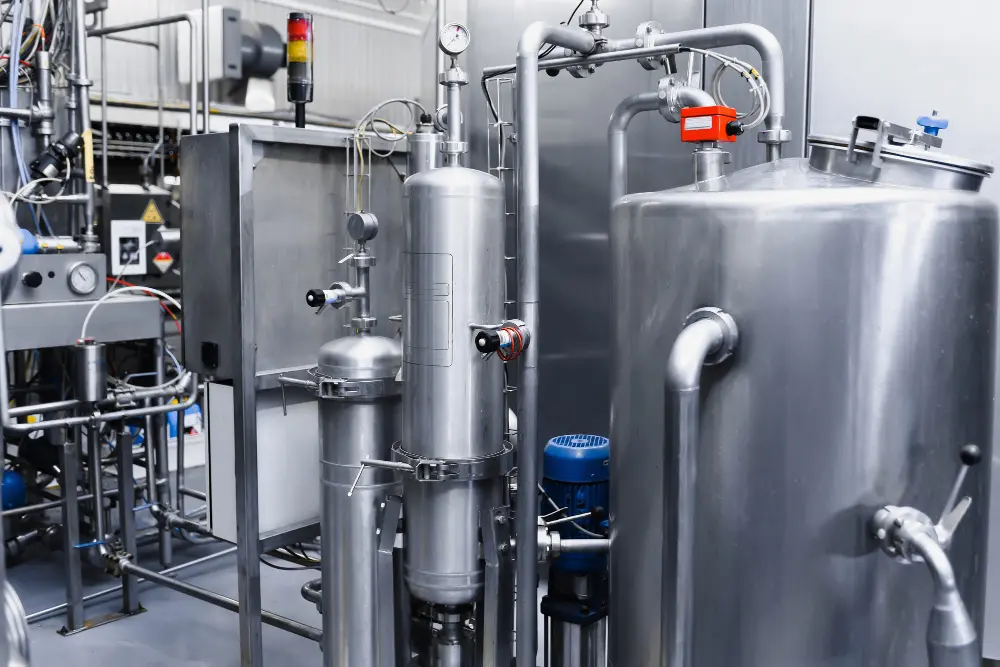
To remove heavy mineral loads before they enter your system, you need a physical facility. A dedicated boiler water treatment plant filters out hard minerals like calcium and magnesium from your water source. This setup uses water softeners, sand filters, and reverse osmosis units to purify water.
Choosing the Right Infrastructure
A high-performing water treatment plant must handle your specific daily water volume. Running raw water through this system removes the hard elements before they touch your heating tubes. This automated filtration setup forms the foundation of any reliable industrial framework.
- Media Filters: These tanks trap large dirt particles, sand, and mud early.
- Water Softeners: They operate by swapping the ions present in the minerals that cause hardening of water with sodium ions.
- Dealkalizers: These are the systems that work by decreasing the total alkalinity, resulting in lower levels of carbon dioxide gas.
- Reverse Osmosis: Here, water is pressured to pass through membranes which are capable of removing the dissolved salts.
Steps in the Boiler Feed Water Treatment Process
External filtration is only the first half of a complete industrial management strategy. A comprehensive boiler feed water treatment process is really important. It starts with filtering the water. Then it adds the appropriate chemicals to the system.
This way, the storage tanks and the high-pressure steam lines are both protected. The boiler feed water treatment process is what keeps everything safe.
The Role of Deaeration and Chemical Dosing
The feed water treatment process focuses heavily on removing dissolved oxygen from the liquid. This gas causes aggressive pitting, which leaves tiny, deep holes in your steel pipe walls. Using mechanical heat and chemical oxygen removal tools eliminates these harmful gases completely.
- Thermal Deaeration: Heating the incoming water drives out trapped air bubbles naturally.
- Chemical Injections: Adding compounds stops scale from sticking to the hot steel.
- Blowdown Management: Draining concentrated muddy water removes heavy sludge buildup.
- Condensate Return: Collecting and reusing pure condensed steam saves water and chemical costs.
Chemical Solutions for Scale and Corrosion Control
When the filtered water is inside your system, it needs to be checked all the time to make sure it is safe. This is where scale inhibitors come in. Scale inhibitors help keep the minerals in the water from forming crusts. They do this by changing the shape of the minerals so they stay dissolved in the water.
Rust control requires a different set of chemicals that form a thin protective shield over bare metal. This microscopic layer keeps oxygen from rusting the iron components directly. Maintaining a high pH level between nine and ten also protects system parts from acid attacks.
Sourcing Industrial Chemicals in the Gulf Region
Finding a trusted boiler water treatment supplier in Dubai ensures you receive the exact chemical grades needed for high-salinity water. Local experts analyze your raw water samples to mix custom formulas for your machinery.
Working with a regional partner ensures your facility stays compliant with local environmental laws regarding water discharge. Having access to regular chemical deliveries prevents sudden operational delays. Experts help you adjust your dosing pumps to match changing weather conditions and water qualities.
Testing and Monitoring Best Practices
Automated machines are not capable of performing all tasks without constant human monitoring. Operators are required to conduct daily water tests for hardness, alkalinity, and sulfite levels. Maintaining a manual logbook assists in identifying deteriorating trends before they harm the physical structures.
Slight changes in your raw water supply can unbalance your chemical levels within hours. If you notice a sudden jump in total dissolved solids, increase your blowdown frequency immediately. Regular calibration of your digital testing meters ensures your recorded data remains highly accurate.
Conclusion
Maintaining a clean system requires a smart combination of physical filtration and exact chemical care. Following a strict boiler water treatment process protects your industrial machinery and cuts down on massive energy waste.
Investing in high-grade testing tools keeps your daily utility operations running safely without sudden failures. To secure your industrial utility performance with reliable chemical solutions, trust Innoveda Chemicals to provide premium support for your facility.
FAQs
1) Why is a proper boiler water treatment process necessary for heavy industrial systems?
A proper boiler water treatment process removes minerals and gases that cause scale and rust. This care keeps your heating systems running efficiently and prevents expensive tube failures.
2) What main components make up a standard boiler water treatment plant?
A typical water treatment plant for a boiler has a few parts. It has sand filters, water softeners, carbon beds, and reverse osmosis units. All these things work together to clean the water before it goes into the boiler. The water needs to be clean before use.
3) How does an automated boiler feed water treatment process improve daily heat transfer?
An automated boiler feed water treatment process stops scale layers from forming on metal tubes. Clean tubes transfer heat faster, which drastically reduces your total monthly fuel consumption.
4) Can a certified boiler water treatment supplier help reduce our water waste?
Yes. A professional supplier assists by balancing your chemical levels to optimize your blowdown cycles. This precise management allows your facility to reuse more water safely.
5) How often should operators test water quality inside an active water treatment plant?
Operators should test the water quality inside the plant at least once every shift. Daily tracking ensures your chemical levels stay balanced to prevent scale buildup.