Did you know that 25 percent of ship delays come from dirty cargo spaces? Doing proper cargo hold cleaning is vital for all bulk carrier ships. Heavy cargo leaves tough dirt behind. Ordinary water washing cannot clean these thick layers.
By using specialized cargo hold cleaning chemicals, ship crews can dissolve oily coal and petcoke residue. This keeps the ship clean and ready for new cargo.
The Challenges of Coal and Petcoke Residues
Shipping coal and petcoke creates big problems for cargo holds. Coal leaves black dust on walls, frame lines, and hatch covers. Wet coal dust turns into acid. This acid eats steel and ruins protective paint.
Petroleum coke, or petcoke, is even harder to clean. It comes from oil refining and acts like thick grease. Plain seawater just spreads the oily mess around. Removing petcoke requires strong alkaline cleaners. These cleaners break down oil without destroying the paint.
Step-by-Step Cargo Hold Cleaning Process
Following a clear cargo hold cleaning process keeps ship steel safe. It helps ships stay on schedule and pass inspections easily.
1. Dry Sweeping and Scraping
Clean out solid waste before using any water.
- Remove Bulk Waste: Sweep up loose coal chunks and petcoke bits from tank tops and frames.
- Scrape Wall Ledges: Knock down stuck dirt from high ledges, side frames, and hatch rails.
- Dispose Safely: Collect all dry waste and discard it following MARPOL environmental rules.
2. Sea Water Pre-Wash
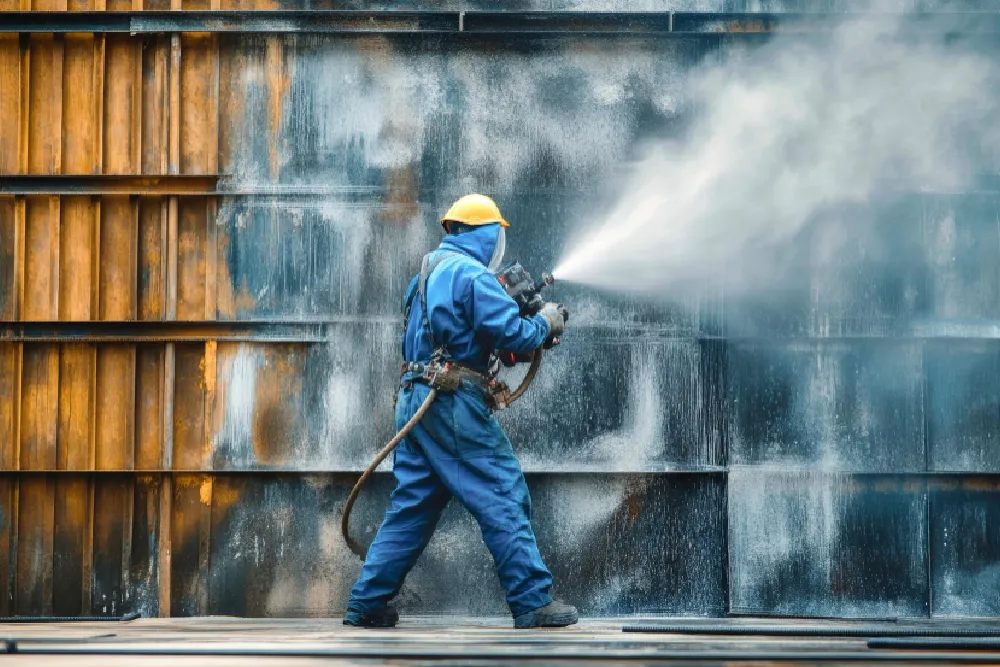
- Wash interior walls from top to bottom with cold seawater using high-pressure guns.
- Flush away loose surface dust and cool down hot steel plates.
- Pump out bilge wells continuously so dirty water does not collect.
3. Chemical Foam Spray
- Apply heavy cargo hold cleaning chemicals using air-powered foam injectors.
- Let the thick foam soak for 30 to 45 minutes to break down heavy grease.
- Do not let the chemical foam dry on the steel walls.
4. High-Pressure Wash & Fresh Water Flush
- Power wash walls with high-pressure seawater at 200 bar to blast away loosened dirt.
- Rinse thoroughly with fresh water to remove all sea salt and chemical bits.
- Clean out bilge drains, dry the floor, and run air fans until the hold is dry.
Choosing the Right Cargo Hold Cleaning Chemicals
Using correct cargo hold cleaning chemicals prevents hold paint damage and stops cargo claims:
- Alkaline Cleaners: Contain strong agents that break down petcoke oil and sticky coal residue.
- Foam Boosters: Mixed into cleaners to create thick foam that sticks to vertical steel walls.
- Acidic Stain Removers: Applied to remove yellow sulfur stains left behind by wet coal.
- Barrier Coatings: Sprayed on walls before loading cargo. They stop petcoke from sticking directly to hold paint.
Sourcing Marine Chemicals in Strategic Maritime Hubs
Ships sailing long trade routes need quick access to maintenance supplies. Getting supplies from a reliable hold cleaner supplier in UAE keeps bulk carriers running on time.
Busy ports like Dubai and Fujairah handle heavy coal and petcoke trade. Local suppliers stock tested cleaners, spraying gear, and safety products. These products match all international sea regulations.
Best Practices to Prevent Port Delays
- Spray Barriers Early: Apply temporary protective films before loading petcoke or coal.
- Check Wash Gear: Test high-pressure pumps, foam units, and hoses before starting the job.
- Watch Foam Dwell Time: Keep chemical foam wet during hot weather so it works properly.
- Clean Bilge Drains: Clear out bilge pits so hidden coal dust does not block drainage lines.
Conclusion
Proper cargo hold cleaning protects ship structures, saves time, and prevents expensive port delays. Using systematic washing steps along with high-grade marine products lets crew members clean tough holds quickly. Buying quality products from Innoveda Chemicals gives ship owners access to approved cleaners across global shipping routes.
Frequently Asked Questions
1) What is the best cargo hold cleaning process for coal?
Start with dry sweeping. Pre-wash with seawater, apply alkaline chemical foam, power rinse with seawater, and finish with a fresh water flush.
2) How do cargo hold cleaning chemicals break down petcoke?
Alkaline chemicals use active agents to unlock sticky oil bonds. This turns hard petcoke grease into a liquid that washes away easily.
3) Why is a fresh water rinse necessary during cargo hold cleaning?
Fresh water removes sea salt chlorides and chemical film. This stops steel rust, prevents paint damage, and keeps future cargo clean.
4) Can petcoke residue cause permanent damage to ship holds?
Yes, petcoke contains sulfur and heavy oils. These substances ruin paint, rust steel plates, and cause costly repair bills if left uncleaned.
5) How long should cargo hold cleaning chemicals sit on steel?
Leave chemical foam on vertical walls for 30 to 45 minutes. Always rinse the foam off before it dries completely on the steel.