Engines work under heat, pressure, and constant motion. Oil, dust, and carbon slowly collect on many metal parts. This buildup affects engine performance and increases wear over time. Regular cleaning helps keep engines in good condition. A strong engine parts cleaner removes grease, oil, and carbon from surfaces. Mechanics use these cleaners to prepare parts for repair or inspection. Clean parts also help engines run more smoothly. Choosing the right cleaner matters because engines contain different metals and materials. The correct product removes buildup without harming surfaces. Good cleaning also saves time during regular maintenance work.
Why Engine Cleaning Is Important
Engines face heat, oil residue, and dust every day. These elements create sticky deposits on many engine parts. When grease builds up, airflow becomes restricted. Heat also stays trapped inside the engine. This increases wear on metal surfaces and moving parts.
Cleaning gets rid of these deposits before they can lead to major issues. With cleaned surfaces, oil can flow freely over the engine parts. This not only decreases friction but also contributes to the smooth operation of the engine. Moreover, after cleaning, it is simpler for mechanics to carry out an inspection of the components. Damages such as cracks, leaks and worn-out surfaces become more visible. Early repair helps prevent costly damage later. Regular cleaning keeps engines stable and supports better fuel efficiency during daily use.
Features to Look for in an Engine Parts Cleaner
Choosing the right cleaner improves safety and maintenance efficiency.
Important features include:
- Strong grease removal
The cleaner should dissolve oil, sludge, and carbon deposits quickly.
- Safe for engine metals
It must work safely on aluminium, steel, and other alloys.
- Fast drying action
Quick drying helps mechanics finish maintenance work faster.
- Low residue finish
The cleaner should leave little or no film after use.
- Rust protection
A good formula helps protect metal surfaces from corrosion.
These features help technicians clean parts effectively and keep engines protected.
Types of Cleaning Chemicals Used in Workshops
Workshops use different cleaning products based on the type of grease and dirt present. Some engines carry heavy carbon deposits. Others only have light oil residue.
Common cleaning solutions include:
- Solvent-based cleaners
These remove thick grease and stubborn carbon deposits.
- Water-based cleaners
These produce fewer fumes and are safer for daily workshop use.
- Eco-friendly cleaners
These reduce chemical waste during maintenance tasks.
- Automated machine cleaners
Used in parts washing machines for bulk cleaning.
Choosing the right parts cleaning chemical helps improve cleaning efficiency and protects metal parts.
Selecting the Right Automotive Parts Cleaner
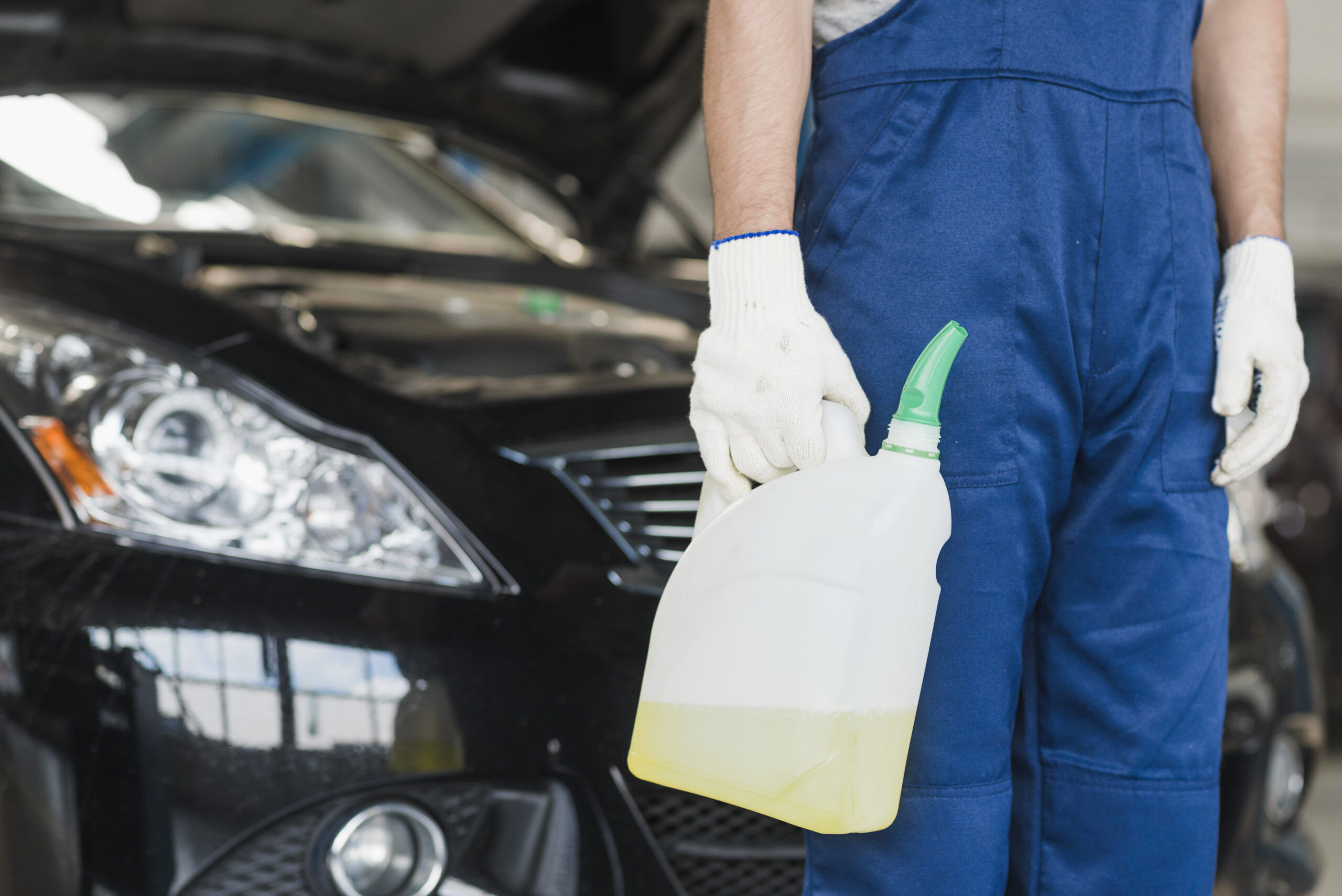
Workshops handle many engines each day. Each engine creates different grease and carbon buildup. Mechanics must select a cleaner that removes deposits without damaging surfaces. A reliable automotive parts cleaner helps remove oil and grime quickly.
Ease of use also matters during maintenance. Spray cleaners work well for small components. Soaking systems help clean larger engine parts. The cleaner should dry quickly and leave no residue. This saves time during repairs. Safety is also important in busy workshops. Products that produce fewer fumes help maintain a safer work area. Choosing the right cleaner improves repair quality and overall maintenance efficiency.
Common Applications of Engine Cleaning Solutions
Engine cleaning products are used in many industries. They help remove grease and oil from machines and metal parts.
Major uses include:
- Automotive repair workshops
Cleaning pistons, engine blocks, gears, and valves.
- Industrial maintenance facilities
Removing grease from heavy machines and equipment.
- Marine and aviation services
Cleaning engines used in ships and aircraft.
- Vehicle service garages
Preparing parts before repair or installation.
- Manufacturing plants
Cleaning metal components before assembly.
These uses show how important proper cleaning is for equipment maintenance.
Safe Handling of Cleaning Chemicals
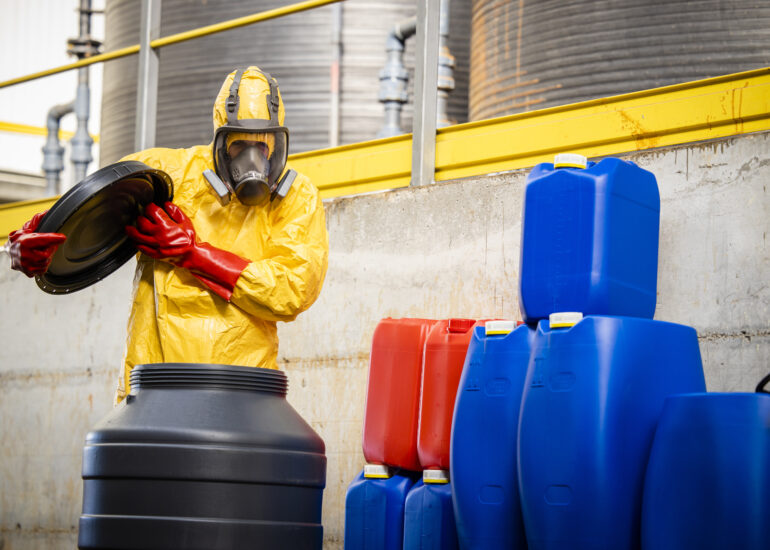
Chemicals used for cleaning must always be handled carefully in a workshop environment. Before using the products, it is recommended that workers read the instructions on the label. Protective gloves and eye protection help reduce chemical contact. These safety steps protect technicians during cleaning tasks.
Proper airflow is also important during maintenance work. Ventilation helps reduce fumes inside the workshop. Parts should be rinsed or wiped after cleaning. This removes leftover residue from metal surfaces. Storage also matters for safety. Keep cleaning products sealed and store them in cool places. Safe handling is a way of ensuring that the parts cleaning chemical performs its function without causing any harm to workers or equipment.
Benefits of Using High-Quality Engine Cleaning Solutions
Professional cleaning solutions help improve maintenance results. A strong engine parts cleaner removes grease quickly and reduces cleaning time. Mechanics spend less effort removing stubborn deposits. Clean parts also improve inspection accuracy during repairs. Many modern cleaning products follow safety and environmental standards. Workshops benefit from faster maintenance work and longer.
Finding a Reliable Parts Cleaner Supplier
Professional suppliers offer different cleaning solutions for various maintenance needs. They help businesses choose the right cleaner for their equipment. Quality control is also important when selecting a supplier. Consistent product performance helps workshops maintain strong service standards.
Environmental Responsibility in Parts Cleaning
Workshops today focus more on safe and responsible cleaning practices. Many modern cleaning solutions aim to reduce harmful waste. Water-based products help reduce chemical fumes during maintenance work. These solutions also create less environmental impact.
Businesses must also follow proper waste disposal practices. Used cleaning liquids should never enter normal drainage systems. Safe disposal helps protect water and soil. Recycling systems can also reduce chemical waste from maintenance activities. Workshops that follow responsible cleaning methods protect workers and equipment. Safe cleaning practices support long-term sustainability and better environmental care.
Conclusion
Regular cleaning helps engines stay efficient and reliable. A strong automotive parts cleaner removes grease, oil, and carbon deposits from metal surfaces. Clean parts improve inspection and reduce maintenance problems. Workshops should also work with a trusted parts cleaner supplier in Sharjah to ensure consistent product quality. High-quality products from trusted brands like Innoveda Chemicals help workshops maintain engines and machinery with confidence.
FAQs
1. What is an engine parts cleaner used for?
It removes grease, oil, and carbon deposits from engine components.
2. Can cleaning chemicals damage engine parts?
Most professional cleaners are designed to work safely on engine metals.
3. How often should engine parts be cleaned?
Cleaning during regular service helps prevent heavy grease buildup.
4. Are water-based cleaners effective for engine maintenance?
Yes. Many water-based products remove grease while producing fewer fumes.
5. Where can workshops buy engine cleaning chemicals?
Workshops can purchase them from trusted industrial chemical suppliers.