Accurate lab work starts with clean inputs. Deionized Water Lab Grade plays a major role in keeping results stable and repeatable. Labs rely on this water to remove unwanted ions that may affect reactions or readings. Even small traces of minerals can change test outcomes. Using the right water grade helps labs avoid errors and maintain consistency. From sample preparation to equipment cleaning, lab-grade DI water supports daily operations. This blog explains how it improves accuracy, why purity matters, and how the right supply choice protects lab results.
What Deionized Water Lab Grade Means
Deionised water, lab grade, is purified water with charged ions removed. These ions include calcium, sodium, and chloride. The purification process uses ion exchange to replace them with hydrogen and hydroxyl ions. This creates water with very low conductivity. Unlike filtered water, which removes particles, or distilled water, which removes many impurities, DI water focuses on ionic purity. This makes it suitable for lab testing where even trace ions can affect results. Labs use it to maintain control and avoid unwanted chemical reactions.
Why Water Purity Matters in Labs
Lab testing depends on accuracy and repeatability. Impure water introduces unknown factors into tests. Minerals may react with chemicals or change solution behavior. Over time, this leads to data variation and result drift. Using lab-grade DI water removes this risk. It ensures that test outcomes depend only on samples and reagents. This level of control is critical for quality testing, research work, and validation processes. Pure water supports consistent testing and helps labs maintain trust in their results.
How DI Water Improves Result Accuracy
Accurate results require a clean testing base. Deionized Water Lab Grade provides stable conditions for measurements and reactions. Instruments rely on clear baselines to detect changes. When water contains ions, readings may shift without warning. Lab-grade DI water prevents this interference. It supports steady readings and repeatable reactions. Over repeated tests, this consistency improves confidence in the data. Labs reduce rework and avoid false results caused by water-related issues.
Difference Between Lab Grade and Other Water Types
Not all purified water is suitable for lab use. Tap water contains salts and minerals. Filtered water removes particles but leaves ions. Distilled water removes many impurities but may still contain dissolved gases. Lab-grade DI water removes charged ions that interfere with testing. Industrial DI water may not meet strict lab needs. Using the wrong water type can cause subtle errors that are hard to trace. Labs focused on accuracy must choose water designed for scientific use.
Key Benefits of Lab Grade DI Water
- Supports stable and repeatable results
- Reduces unwanted chemical reactions
- Prevents residue on glassware and tools
- Improves instrument performance
- Lowers risk of test failure
These benefits make DI water essential for daily lab work.
Role of DI Water in Sample Preparation
Sample preparation sets the stage for testing. Any impurity added at this stage affects the final results. Lab-grade DI water keeps samples free from outside ions. It is used for dilution, reagent mixing, and solution preparation. If water quality varies, sample composition changes. This affects analysis accuracy. Using consistent DI water helps labs maintain sample integrity. It also supports fair comparison between tests, which is important for studies and quality checks.
Importance of DI Water for Equipment Cleaning
Lab equipment must stay clean to work correctly. Minerals from tap water leave deposits on surfaces and sensors. Over time, these deposits affect performance and accuracy. DI water prevents mineral buildup and residue. Equipment dries clean without spots or scale. This keeps instruments working longer and reduces maintenance needs. Clean tools support stable readings and reliable operation. Using lab-grade water for cleaning protects both results and equipment investment.
Choosing the Right DI Water Supplier
Consistency matters as much as purity. Labs need the same water quality for every batch. Many labs search for a di water lab grade supplier near me to ensure quick delivery and reduce storage time. A reliable supplier follows strict quality checks and proper packaging methods. They provide water that meets lab standards every time. Good supply support helps labs avoid delays and maintain smooth workflows.
Local Supply and Lab Efficiency
Fast access to DI water improves lab efficiency. Local suppliers reduce downtime during urgent testing needs. Many labs prefer a DI water lab grade supplier in Sharjah due to faster delivery and regional support. Local suppliers understand handling needs and storage conditions. They also support frequent restocking, which reduces contamination risks. Choosing a nearby supplier helps labs stay ready and responsive without quality loss.
Common Mistakes Labs Should Avoid
- Using industrial DI water for testing
- Reusing containers without proper cleaning
- Leaving water containers open
- Mixing DI water with tap water
- Ignoring storage conditions
Avoiding these mistakes protects water quality and test accuracy.
Storage and Handling Best Practices
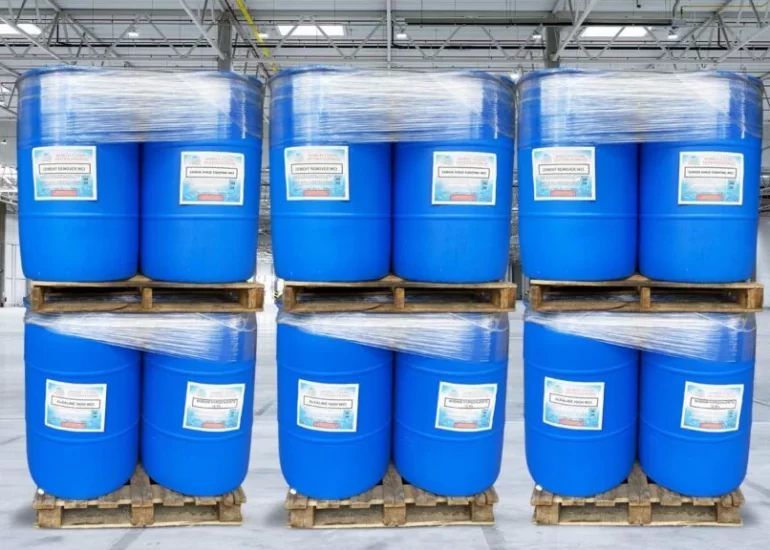
DI water must be stored correctly to stay pure. Exposure to air increases conductivity over time. Labs should use clean, sealed containers designed for lab use. Containers must be labelled and stored away from heat and light. Fresh water should be used for sensitive tests. Proper handling keeps water quality stable from delivery to use. These steps help labs maintain consistent results and avoid contamination.
Where DI Water Lab Grade Is Used
Lab-grade DI water supports many industries. Pharmaceutical labs use it for formulation and testing. Chemical labs rely on it for reactions and analysis. Educational labs use it for training and experiments. Food testing labs depend on it for quality checks. Research centres use it for controlled studies. In every case, water purity affects trust. Using the right water grade helps labs meet internal and external standards.
Conclusion
Accurate lab results depend on controlled conditions and reliable inputs. Deionized Water Lab Grade removes ions that interfere with testing, cleaning, and analysis. It supports consistency across daily lab tasks and protects equipment performance. Choosing the right supplier and following proper handling practices keeps water quality stable. For dependable lab-grade solutions and trusted supply, labs rely on Innoveda Chemicals to support accurate and reliable results.
FAQs
- What is Deionized Water Lab Grade used for?
It is used for sample preparation, chemical dilution, and cleaning lab equipment.
- How is DI water different from filtered water?
Filtered water removes particles. DI water removes charged ions that affect testing.
- Why do labs prefer lab-grade DI water?
It provides consistent purity and supports accurate, repeatable results.
- How should DI water be stored?
Store it in sealed containers away from air, heat, and light.
- How do I choose a DI water supplier?
Choose one with quality checks, a steady supply, and proper packaging.