Can a tiny layer of scale cut your cooling efficiency by 10%? In hot regions like Sharjah, plants depend on steady cooling every day. Without proper Cooling Tower Water Treatment, high heat and hard minerals quickly wreck equipment.
Applying a smart Cooling Tower Chemical Treatment stops sudden breakdowns, cuts water waste, and drops power bills.
Why Water Quality Matters for Cooling Towers
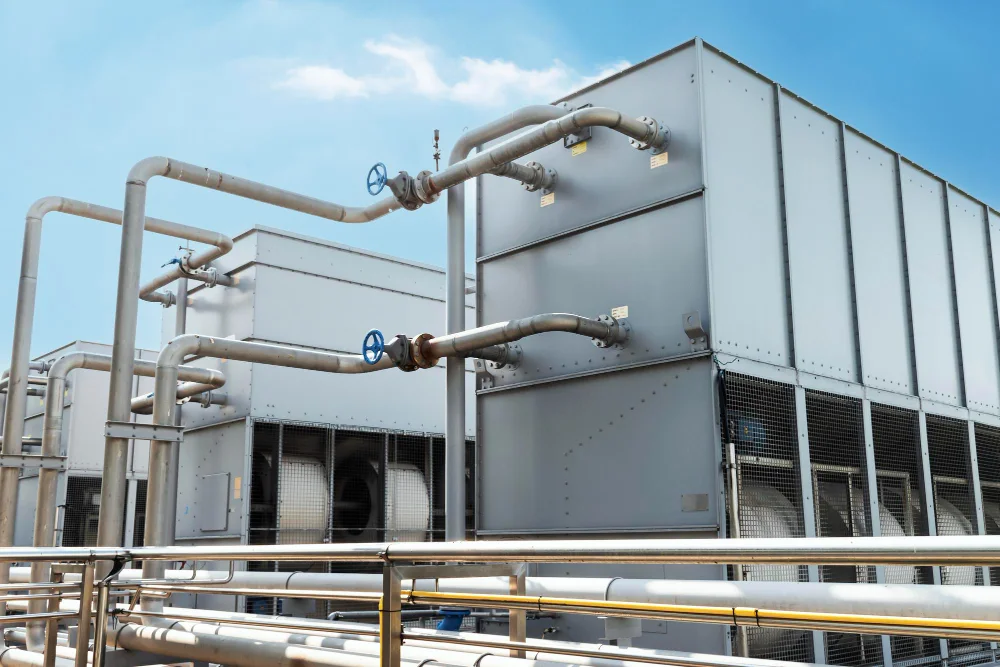
Cooling towers are really important in factories, refineries, and big buildings in Sharjah. They help get rid of the heat. The way it works is that the water evaporates, and this cools down the machinery in factories, refineries, and big buildings.
As it continues to build up, several issues will begin to arise. Not only is the ability to transfer heat reduced and energy costs go up, but wear and tear of various parts also occur.
Key Challenges Facing Cooling Towers in Sharjah
Running cooling equipment in the Gulf region comes with tough environmental challenges. Local weather speeds up harm to open cooling loops.
High Daily Heat
Sharjah summer weather often goes over 45°C. Heat speeds up evaporation and leaves thick mineral deposits behind.
Minerals in Local Water
Water in this region has high natural mineral levels. Extra minerals create scale on hot metal parts quickly.
Dust and Sand
Windstorms blow fine dust and sand right into open water basins. Dirt clogs filters and feeds harmful bacteria.
Main Parts of Cooling Tower Water Treatment
A complete Cooling Tower Water Treatment plan is really important because it helps stop four problems: scale, rust, slime and Cooling Tower Water Treatment also stops bacterial growth.
1. Stopping Scale Buildup
Hard minerals like calcium stick to hot metal plates. Scale acts like a blanket that traps heat inside. That forces pumps to draw more power. Special chemicals keep minerals floating so you can flush them out safely.
2. Preventing Metal Rust
Rust eats away steel pipes and copper tubes until they leak. Systems face three main types of rust:
- Uniform Rust: Even metal loss across all parts.
- Pitting Rust: Deep holes that punch straight through tubes.
- Galvanic Rust: Damage caused when two different metals touch.
Anti-rust products form a protective coat over metal to block harsh minerals.
3. Controlling Slime and Algae
Warm water and sunlight turn open basins into breeding grounds for algae. Unchecked growth turns into sticky slime. Slime traps dirt and blocks heat worse than mineral scale. Chemical doses kill algae before it spreads.
4. Legionella Safety Controls
- Legionella bacteria grow fast in warm, still water.
- Inhaling tiny water drops from towers makes workers sick.
- Regular chemical doses and washdowns keep water safe for everyone.
Modern Cooling Tower Chemical Treatment Options
Chemicals form the baseline of modern water care. A good Cooling Tower Chemical Treatment plan uses custom mixes to tackle your exact water issues.
Common Chemical Mixes
- Polymeric Scale Inhibitors
- Corrosion Inhibitors
- Oxidizing Biocides
- Non-Oxidizing Biocides
- Biodispersants
How a Cooling Tower Chemical Treatment System Works
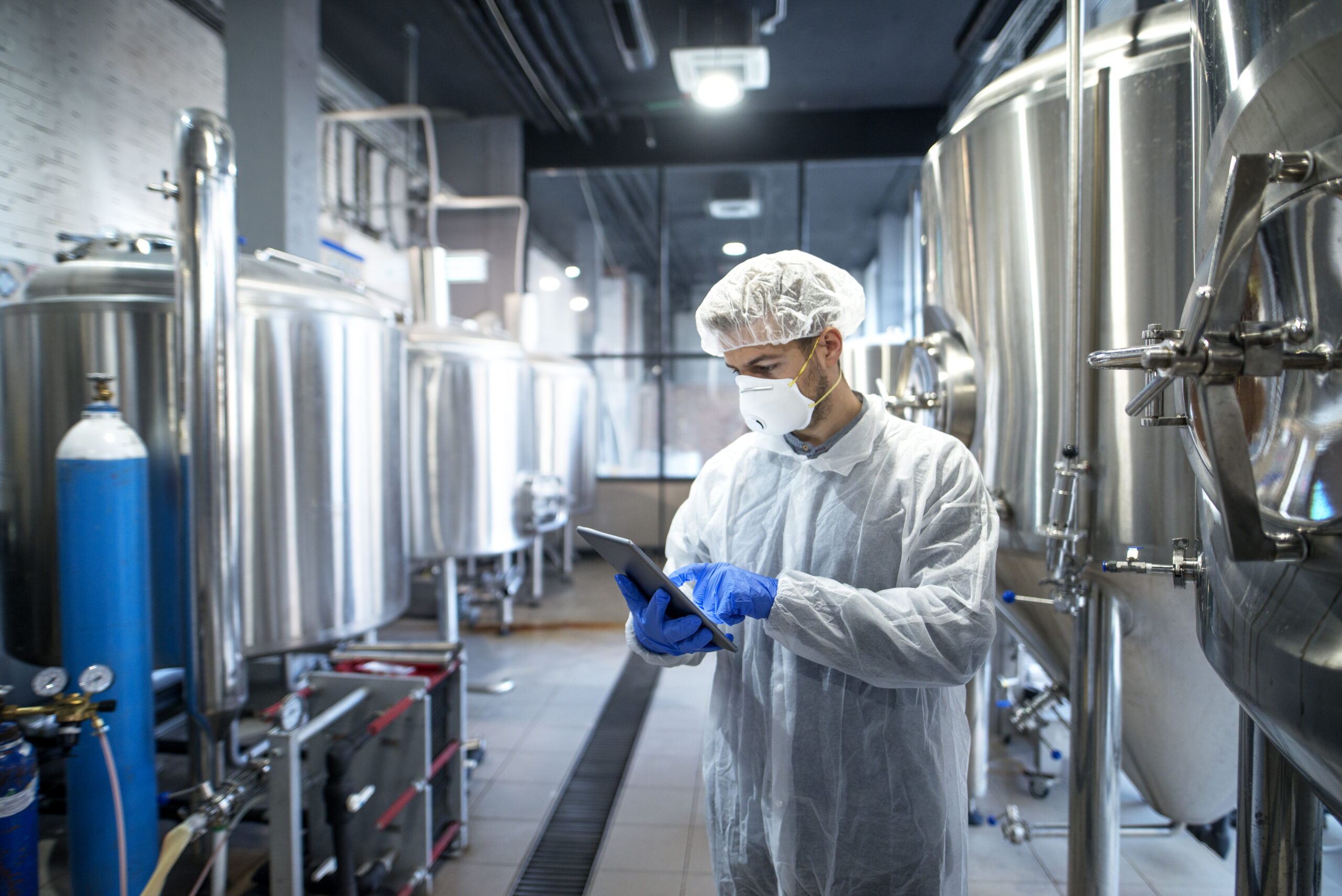
To keep chemical levels stable, facilities use an automated Cooling Tower Chemical Treatment System. Adding chemicals by hand often leads to mistakes that cause scale or rust.
Parts of an Automated System
An automated set measures water quality and adjusts feed rates on its own:
- Conductivity Monitors: Check mineral levels and open flush valves when water gets too dirty.
- Chemical Pumps: Inject exact doses of treatment right into the water line.
- pH Sensors: Test water acidity to stop rust and protect biocide strength.
- Water Meters: Track water flow to mix chemicals in exact ratios.
- Data Recorders: Warn plant operators instantly if chemical levels drop.
Best Practices to Save Water and Money
Saving water cuts operating costs. Good habits help plants reuse water without hurting machine performance. Working with an expert cooling water treatment supplier in Sharjah keeps your system safe while meeting local laws.
Practical Tips
- Increase Concentration Cycles: Reusing water longer cuts fresh water needs and drops waste discharge.
- Clean Strainers: Flush intake screens so dirt stays out of main pumps.
- Wash Systems Twice a Year: Drain basins completely to scoop out dirt and sludge.
Manual vs. Automated Water Treatment
| System Feature | Manual Dosing | Automated Chemical System |
| Dosing Accuracy | Easy to add too much or too little | Delivers exact doses as needed |
| Labor Needed | High; requires daily manual labor | Low; needs only basic checks |
| Control Level | Slow; based on manual tests | Fast; uses continuous sensors |
| Water Efficiency | Lower; flushes water on set timers | Higher; flushes only when dirty |
| Chemical Handling | Higher risk for workers | Lower risk with sealed lines |
Simple Cooling Tower Maintenance Schedule
Following a clear checklist prevents unexpected downtime and extends equipment life.
- Daily Tasks:
- Read water meters and pH levels.
- Check chemical tank levels and pumps.
- Inspect pump seals and water pressure.
- Weekly Tasks:
- Send water samples to a lab for testing.
- Look for dirt or foam in the water basin.
- Make sure flush valves open and close properly.
- Monthly Tasks:
- Wipe clean sensor probes and line filters.
- Test system alarms and auto-dosing controls.
- Inspect fan belts and air intake louvers.
- Twice-Yearly Tasks:
- Drain the basin to scrub out mud.
- Run a full system wash and chemical flush.
- Check distribution nozzles for clogs.
Conclusion
Taking care of cooling systems in the Middle East takes steady water testing and solid habits. Running an automated Cooling Tower Water Treatment plan stops scale, blocks rust, and keeps bacteria out of your water loops.
Using automated feed systems, testing water often, and saving wastewater helps Sharjah plants cut power bills while boosting cooling power. Using Innoveda Chemicals, you can get the best products, custom treatment plans, and the best support to keep your plant running all year long.
FAQs
1) What is the primary job of Cooling Tower Water Treatment?
The primary job of Cooling Tower Water Treatment is to prevent scale, rust, and bacteria from building up on equipment running cold and lasting.
2) How does a Cooling Tower Chemical Treatment plan help?
A customized Cooling Tower Chemical Treatment plan coats internal metals and kills algae before deposits block heat flow.
3) Why use a Cooling Tower Chemical Treatment System?
An automated Cooling Tower Chemical Treatment System tracks water quality constantly to feed exact chemical doses with zero wasted water.
4) How often should plant operators test cooling water?
Operators should monitor pH and minerals daily, test fully in the lab once a week for bacteria and iron.
5) How do you keep bacteria from growing in a cooling tower?
Alternate biocides, clean basin sludge twice a year, circulate water.