
- Chemical Manufacturing Industry
- Resin Production: Formaldehyde is a key ingredient in the production of resins such as urea-formaldehyde (UF), phenol-formaldehyde (PF), and melamine-formaldehyde (MF) resins. These resins are used in adhesives, particleboard, plywood, and laminates.
- Plastic and Polymer Industry: It is used in producing plastics such as polyoxymethylene (POM), which has applications in automotive parts, electrical components, and consumer goods.
- Textile Industry
- Fabric Treatment: Formaldehyde is used in textile finishing to improve wrinkle resistance, reduce shrinkage, and increase fabric durability. This process is common in the production of "permanent press" or "no-iron" fabrics.
- Wood Industry
- Wood Adhesives: Formaldehyde is a key component in the manufacture of adhesives used in engineered wood products like plywood, medium-density fiberboard (MDF), and particleboard.
- Wood Preservatives: Formaldehyde-based solutions are used to treat and preserve wood, protecting it from decay and insects.
- Healthcare and Medical Industry
- Disinfectant and Sterilant: Formaldehyde is used as a disinfectant in medical facilities for sterilizing medical instruments and equipment. Its strong biocidal properties make it effective in killing bacteria, viruses, and fungi.
- Preservative for Biological Specimens: Formaldehyde solution is widely used in laboratories and healthcare settings to preserve biological specimens (e.g., tissue samples, cadavers) for research and education.
- Pharmaceutical Industry
- Vaccine Production: In vaccine manufacturing, formaldehyde is used to inactivate viruses and toxins, making them safe for use in vaccines (e.g., inactivated polio vaccine).
- Antimicrobial Agent: It is used as an antimicrobial agent in various pharmaceutical products, including topical creams and disinfectants.
- Agriculture and Animal Husbandry
- Preservative for Animal Feed: Formaldehyde is used to preserve animal feed, especially fishmeal, by preventing microbial growth and spoilage.
- Fumigant: It can be used as a fumigant in agriculture to disinfect soil, greenhouses, and animal housing facilities.
- Cosmetic Industry
- Preservative in Cosmetics: Formaldehyde is used in low concentrations as a preservative in some cosmetic products, such as shampoos, nail polish, and hair straightening treatments, to prevent microbial contamination.
- Automotive Industry
- Production of Automotive Components: Formaldehyde resins are used in the production of high-performance automotive parts like coatings, brake pads, and molded components due to their heat resistance and durability.
- Paints, Coatings, and Varnish Industry
- Binder in Paints: Formaldehyde is used in the production of binders for paints, coatings, and varnishes, which helps enhance the durability, finish, and adherence of these products.
- Tanning and Leather Industry
- Leather Processing: In the leather tanning industry, formaldehyde is used to tan and preserve leather, improving its strength and resistance to wear and decay.
- Laboratory Use
- Tissue Fixative: Formaldehyde is commonly used in histology and pathology labs as a tissue fixative. It helps preserve tissue samples for examination under a microscope by preventing decay and preserving cellular structure.
- Construction Industry
- Insulation Materials: Urea-formaldehyde resins are used in the production of foam insulation and other building materials due to their insulating properties and structural strength.
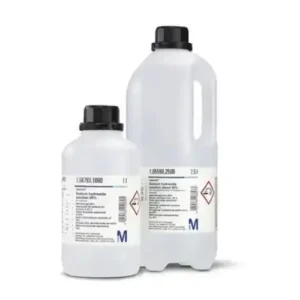 Available Packing


Reviews
There are no reviews yet.